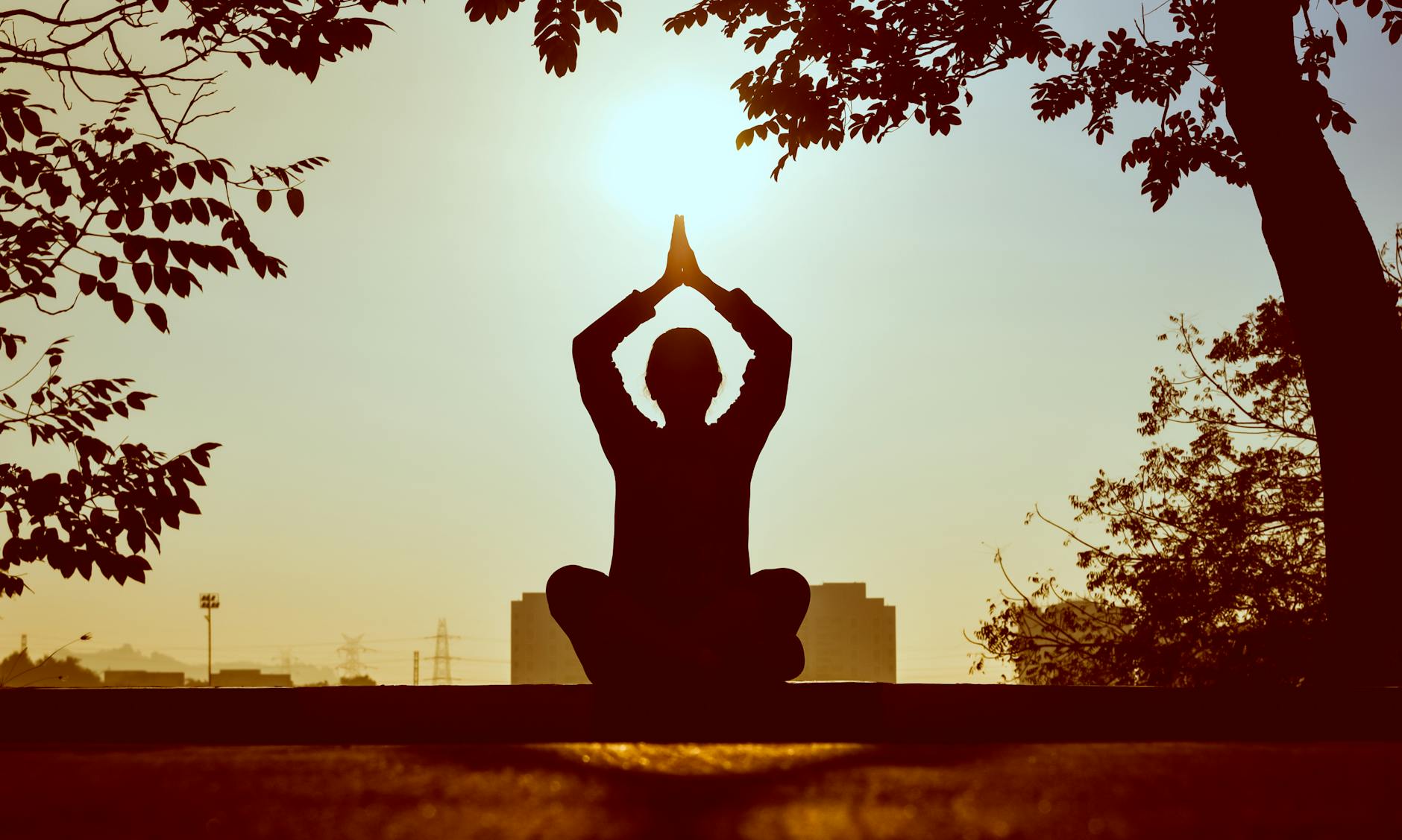
In today’s fast-paced, hyper-connected world, finding a sense of calm and clarity is more important than ever. One ancient practice that has stood the test of time and proven its worth across cultures and centuries is meditation. Once associated primarily with spiritual traditions, meditation is now recognized globally for its wide-ranging benefits to mental, physical, and emotional health.
1. Reduces Stress
One of the most well-known benefits of meditation is its ability to reduce stress. When we meditate, we shift our focus away from stressful thoughts and toward the present moment. This activates the body’s relaxation response, lowering levels of cortisol (the stress hormone) and calming the nervous system. Numerous studies have shown that mindfulness meditation can reduce symptoms of stress-related conditions like anxiety, depression, and insomnia.
2. Enhances Emotional Well-being
Meditation can help foster a more positive outlook on life. Regular practice promotes emotional resilience by increasing awareness of one’s thoughts and feelings, which makes it easier to manage difficult emotions without becoming overwhelmed. Loving-kindness meditation, in particular, has been linked to increased levels of empathy, compassion, and overall life satisfaction.
3. Improves Focus and Concentration
In a world full of distractions, many people struggle to stay focused. Meditation trains the mind to stay anchored in the present, which enhances attention span and cognitive control. Even short daily sessions can improve memory, problem-solving skills, and mental clarity.
4. Supports Physical Health
The benefits of meditation extend beyond the mind. Regular practice has been linked to:
- Lower blood pressure
- Improved heart health
- Enhanced immune function
- Reduced inflammation
- Better sleep quality
By promoting relaxation and reducing chronic stress, meditation supports overall physical well-being.
5. Promotes Self-Awareness
Meditation encourages introspection, helping individuals understand their thought patterns, motivations, and reactions. This deeper self-awareness can lead to personal growth, better decision-making, and improved relationships. Techniques like “self-inquiry” or mindfulness meditation help people detach from negative thoughts and see themselves more clearly and compassionately.
6. Accessible and Adaptable
One of the greatest advantages of meditation is its accessibility. It doesn’t require special equipment, a gym membership, or a lot of time. People can meditate while sitting, walking, or even during daily activities like washing dishes. Whether you choose a structured program or a few quiet minutes on your own, meditation can fit into nearly any lifestyle.
Getting Started
If you’re new to meditation, start small:
- Set aside 5–10 minutes a day.
- Find a quiet, comfortable space.
- Focus on your breath, bodily sensations, or a mantra.
- Use apps or guided meditations to help stay on track.
Consistency is more important than duration. Over time, the benefits will compound, making meditation not just a practice, but a valuable part of your everyday life.
Conclusion
Meditation is more than just a tool for relaxation—it’s a transformative practice that nurtures the mind, body, and spirit. Whether you’re looking to reduce stress, sharpen your focus, or deepen your self-awareness, meditation offers a powerful, time-tested path toward a healthier and more balanced life.