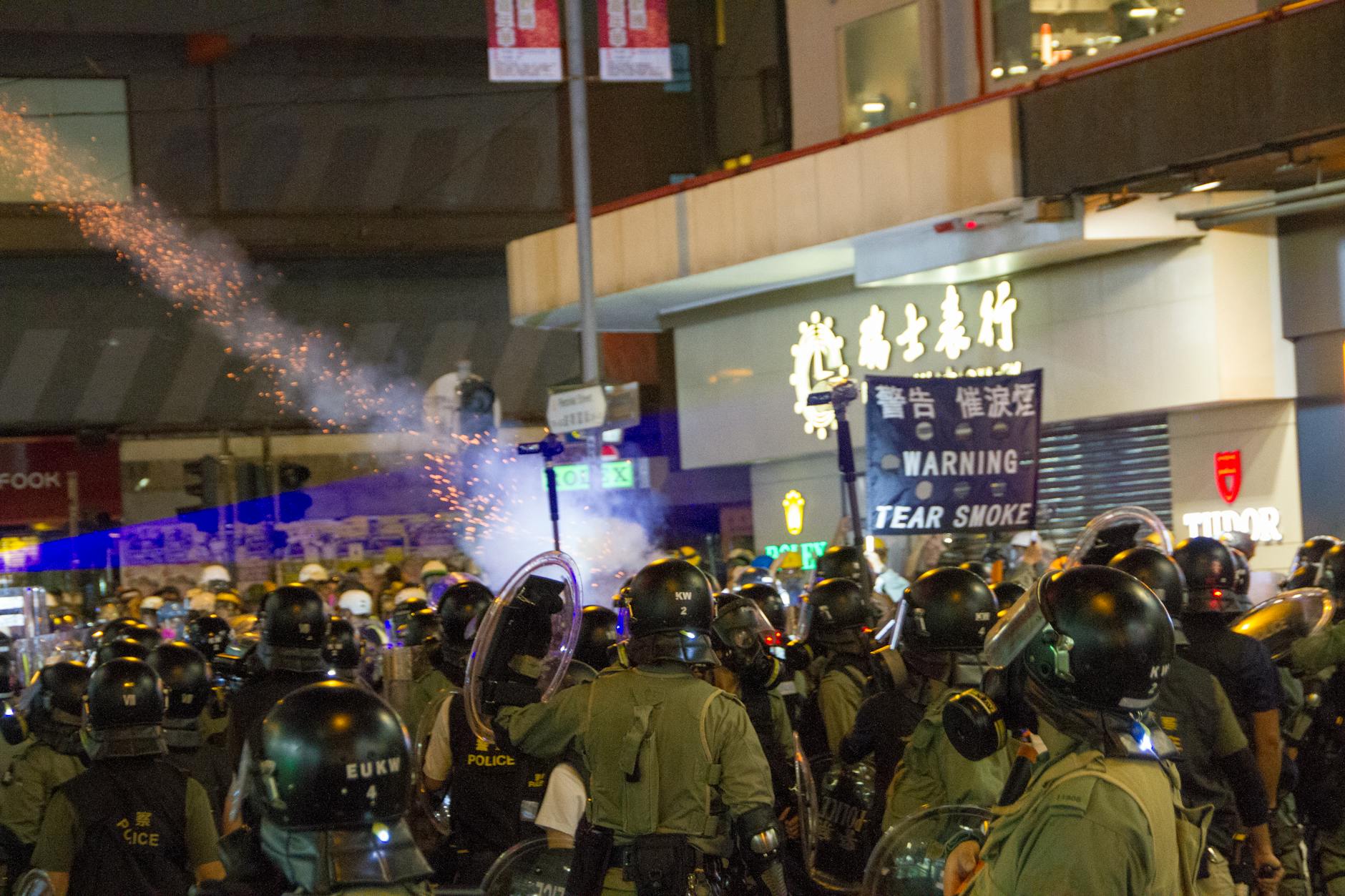
Antifa (short for “anti-fascist”) is a loosely organized and decentralized movement of individuals and groups who oppose fascism, white supremacy, and far-right ideologies. It is not a formal organization with a centralized leadership or a clear set of rules, but rather a broad and diverse collection of activists who share a commitment to fighting what they see as dangerous right-wing extremism.
Background and Origins:
The term “Antifa” has roots in the anti-fascist movements that emerged in Europe during the 20th century, particularly in response to the rise of fascist regimes in the 1920s and 1930s. Antifa groups in Germany, Italy, and other parts of Europe fought against the rise of Nazi and fascist movements. These early anti-fascists were often left-wing radicals, communists, anarchists, and socialists who used direct action, such as protests, physical resistance, and sabotage, to oppose fascist ideologies.
The modern-day Antifa movement in the United States and other Western countries gained significant attention in the 2010s, especially in response to the increasing visibility of far-right groups, hate speech, and white nationalism. It became particularly prominent during and after the 2016 U.S. presidential election, as incidents of white nationalist violence (such as the 2017 Charlottesville rally) galvanized activists to mobilize against what they saw as the growing threat of fascism and far-right extremism.
Beliefs and Ideologies:
At its core, Antifa is united by a commitment to anti-fascism, but it does not adhere to a single political ideology or platform. Instead, Antifa activists come from a variety of left-wing political perspectives, including anarchism, socialism, communism, and liberalism. The common goal is opposition to fascism, racism, and far-right extremism, with a focus on direct action and street-level resistance.
Key aspects of Antifa’s ideology include:
- Opposition to Fascism and White Supremacy: Antifa members are strongly opposed to fascist ideologies, which they view as authoritarian, nationalist, and oppressive. This includes opposition to groups that promote white supremacy, such as neo-Nazis and Ku Klux Klan members, as well as more mainstream far-right movements.
- Direct Action: Antifa is known for its use of direct action, which can range from protests and counter-protests to more confrontational tactics, such as physical confrontation with far-right extremists. They believe that peaceful protest alone is insufficient to stop the spread of fascism and that more assertive forms of resistance are sometimes necessary.
- Anti-Capitalism: Many Antifa groups, especially those with an anarchist or socialist orientation, are critical of capitalism, seeing it as a system that fosters inequality and exploitation. While not all Antifa members hold this view, it is a common theme among certain factions of the movement.
- Solidarity with Marginalized Communities: Antifa is often associated with supporting the rights of marginalized groups, including racial minorities, LGBTQ+ individuals, immigrants, and others who are targeted by far-right ideologies. This is part of their broader commitment to social justice.
Tactics and Methods:
Antifa’s approach to activism often involves direct action—actions that are intended to immediately confront and disrupt far-right activities. These can include:
- Protests and Counter-Protests: Antifa frequently organizes counter-protests in response to far-right rallies or events. These can turn into large confrontations between Antifa activists and members of far-right groups.
- Physical Confrontations: Antifa has been involved in violent clashes, particularly with far-right extremists, in some instances. While not all Antifa groups or individuals engage in violence, there have been notable incidents where Antifa members physically attacked those they deemed to be fascists or white nationalists. This has been one of the most controversial aspects of the movement.
- Property Damage: In some cases, Antifa has been involved in acts of property destruction or sabotage as a form of protest against far-right groups or symbols of capitalism. This could include vandalizing the offices of far-right politicians or destroying symbols associated with white supremacy.
- Online Activism: Antifa activists also engage in online campaigns, which can involve exposing the identities of far-right activists, calling out hate speech, or organizing digital campaigns to counter misinformation and extremist propaganda.
Controversies and Criticism:
Antifa has been a highly polarizing movement, and its tactics have sparked significant debate. Supporters argue that Antifa is a necessary force in the fight against the rise of fascism, particularly as hate groups and far-right ideologies gain prominence in certain parts of the world. They see the movement as one of the few groups willing to take strong, direct action against the threat of fascism.
However, critics of Antifa argue that the movement’s use of violence and its willingness to confront far-right groups with physical force is both counterproductive and harmful. Some view it as a form of political extremism in itself, which can escalate conflicts and undermine the broader anti-fascist message. There are also concerns that Antifa’s focus on militant tactics and street-level resistance can alienate potential allies who oppose fascism but do not condone violence.
Antifa’s decentralized nature makes it difficult to define the movement as a single entity. Because there is no central leadership or formal organization, it is made up of a wide range of individuals and groups who interpret anti-fascism in different ways. This has led to conflicting opinions about what Antifa represents and how it should act.
Media Representation and Political Impact:
Antifa’s visibility in the media has increased dramatically in recent years, often in connection with protests and violent clashes. Conservative commentators and political figures in the U.S. have been particularly vocal in their criticism of Antifa, often portraying the movement as a violent, anarchist force that threatens public order. Some have even called for Antifa to be designated as a domestic terrorist organization, though this has been met with pushback from civil liberties groups who argue that such a designation would infringe on free speech and the right to protest.
On the other hand, left-wing groups and activists defend Antifa as a necessary countermeasure to the rise of far-right extremism. They argue that Antifa’s focus on direct action is a response to the failure of mainstream institutions to effectively address the growing threat of fascism and hate-based violence.
Conclusion:
Antifa is a complex and controversial movement with a shared commitment to opposing fascism, white supremacy, and far-right extremism. While its tactics, especially the use of direct action and, at times, violence, have sparked intense debate, its central message remains clear: to resist the rise of fascism and protect vulnerable communities from hate and discrimination. The movement’s decentralized nature, diverse political backgrounds, and radical tactics ensure that it will continue to be a point of contention and discussion in political and social debates for the foreseeable future.