Introduction
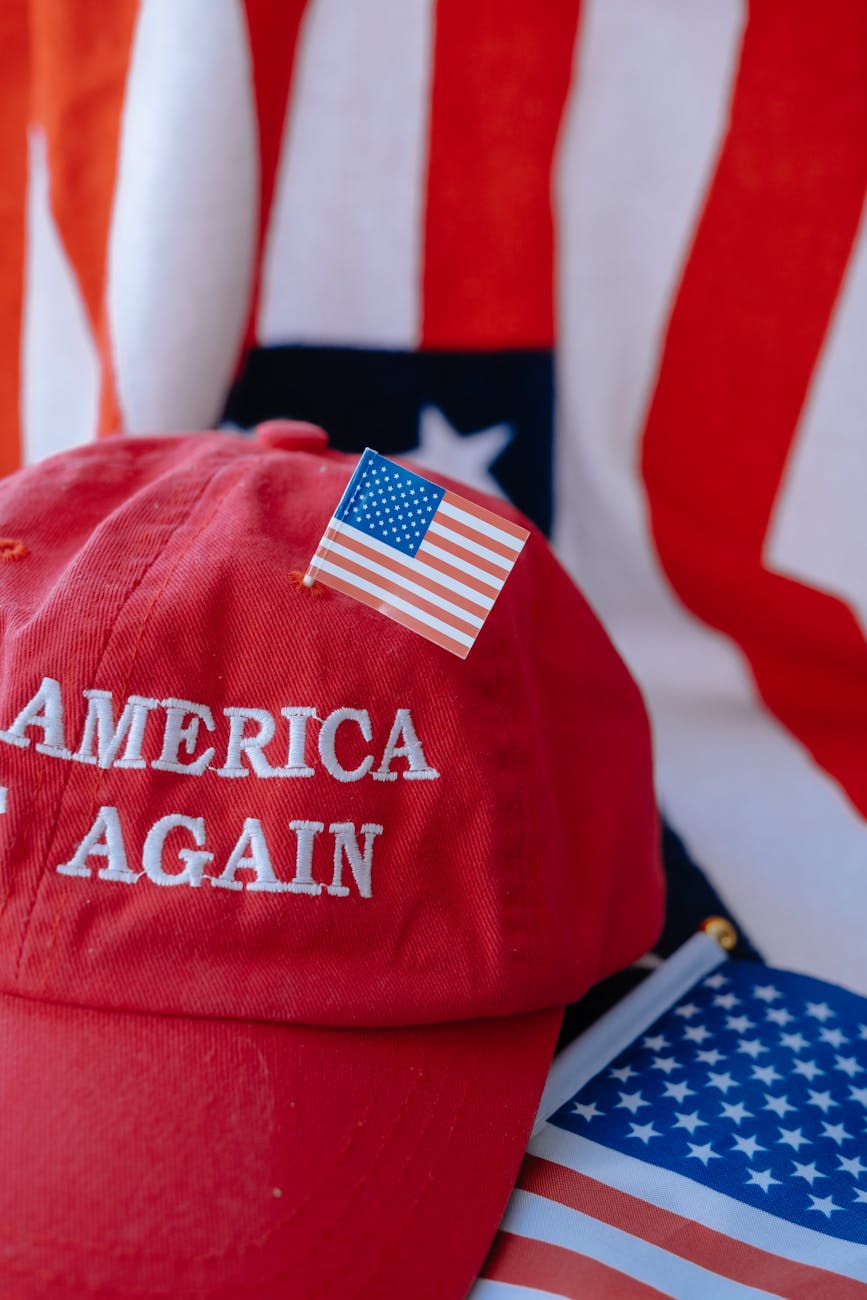
The MAGA Party, an informal political movement inspired by former U.S. President Donald Trump’s “Make America Great Again” (MAGA) slogan, has emerged as one of the most influential and polarizing political forces in contemporary American politics. Although not formally recognized as an official party, the MAGA movement has garnered substantial support, reshaping the Republican Party and influencing American politics in ways that continue to evolve.
Background
The phrase “Make America Great Again” first gained prominence during Donald Trump’s 2016 presidential campaign, where it served as the centerpiece of his message. The slogan resonated with a wide segment of the American population, particularly among those who felt disillusioned by economic stagnation, loss of industrial jobs, and what they perceived as an erosion of traditional American values. Trump’s rhetoric was aimed at returning the U.S. to a period of greater economic prosperity, global dominance, and cultural unity, according to his vision.
Trump’s presidency, from 2017 to 2021, solidified his base of supporters, many of whom aligned themselves with the MAGA movement. Over time, MAGA grew beyond just a slogan into a political identity and, for many, a movement unto itself. This movement includes grassroots supporters, political activists, and politicians who share Trump’s vision for a more nationalistic, populist America, while often rejecting the establishment political norms of both major parties.
Although Trump officially launched his re-election bid in 2020 as part of the Republican Party, many view the MAGA movement as transcending traditional party lines. It is characterized by its fervent loyalty to Trump’s leadership and its focus on issues such as immigration reform, America-first economic policies, and a strong stance against globalism and political correctness.
Beliefs of the MAGA Party
The MAGA movement is underpinned by a set of beliefs and values that reflect the ideology of Trump and his supporters. While not formally codified into a unified platform, the following are central tenets often associated with MAGA supporters:
- Nationalism and Populism: MAGA supporters believe in putting the interests of American citizens first. This includes a focus on reducing immigration, promoting economic policies that benefit American workers, and adopting a more protectionist stance in trade deals.
- Economic Policies: The movement advocates for tax cuts, deregulation, and policies aimed at revitalizing American industries, particularly manufacturing and energy. Many within the MAGA movement are critical of globalization, believing it harms American workers and benefits foreign countries at the U.S.’s expense.
- Law and Order: MAGA supporters are often strong proponents of law enforcement and are vocal in their opposition to movements that challenge the status quo of police and criminal justice systems. They emphasize the need for strict immigration enforcement and oppose defunding the police.
- Cultural Conservatism: The MAGA movement is associated with traditional values, including opposition to abortion, skepticism toward LGBTQ+ rights (especially in relation to transgender issues), and a commitment to preserving what is perceived as a traditional American way of life.
- Anti-Establishment Sentiment: MAGA supporters are deeply critical of the political elite, both in the Democratic and Republican parties. They argue that the establishment is out of touch with the needs of ordinary Americans and is often corrupt or self-serving.
- Second Amendment Rights: The protection of gun ownership is a fundamental belief for many in the MAGA movement, with strong opposition to gun control measures.
The Size of the MAGA Movement
Although it is difficult to estimate the exact number of individuals who consider themselves part of the MAGA movement, polls and surveys suggest that the movement has a significant portion of the Republican Party’s base and extends to independent voters as well. After Trump’s 2016 election, it became clear that his populist message resonated with millions of Americans. Throughout his presidency, his approval ratings among Republican voters remained high, often hovering around 80-90%.
In terms of sheer numbers, the MAGA movement has tens of millions of supporters. In the 2020 presidential election, despite losing to Joe Biden, Trump received more than 74 million votes, which reflects the broad base of his movement. MAGA-aligned candidates have also had significant success in local and state elections, further cementing the influence of the movement within the Republican Party.
However, the movement is also deeply polarizing. While millions of Americans support it, many others oppose it, viewing it as a threat to democracy and the rule of law, especially after the January 6th Capitol riot in 2021. This division has made MAGA supporters a key voting bloc but also a point of contention in national politics.
Conclusion
The MAGA movement has reshaped American politics in profound ways. While not a formal political party, it has become a powerful ideological force, primarily within the Republican Party, though it influences political discourse across the nation. Its populist, nationalist, and conservative values continue to resonate with a large segment of the American population, especially those disillusioned with the political establishment.
As American politics evolves, the question remains whether the MAGA movement will continue to influence the direction of the Republican Party, or whether it will splinter into a more defined political entity. What is certain, however, is that the movement will play a central role in shaping the political landscape for the foreseeable future.