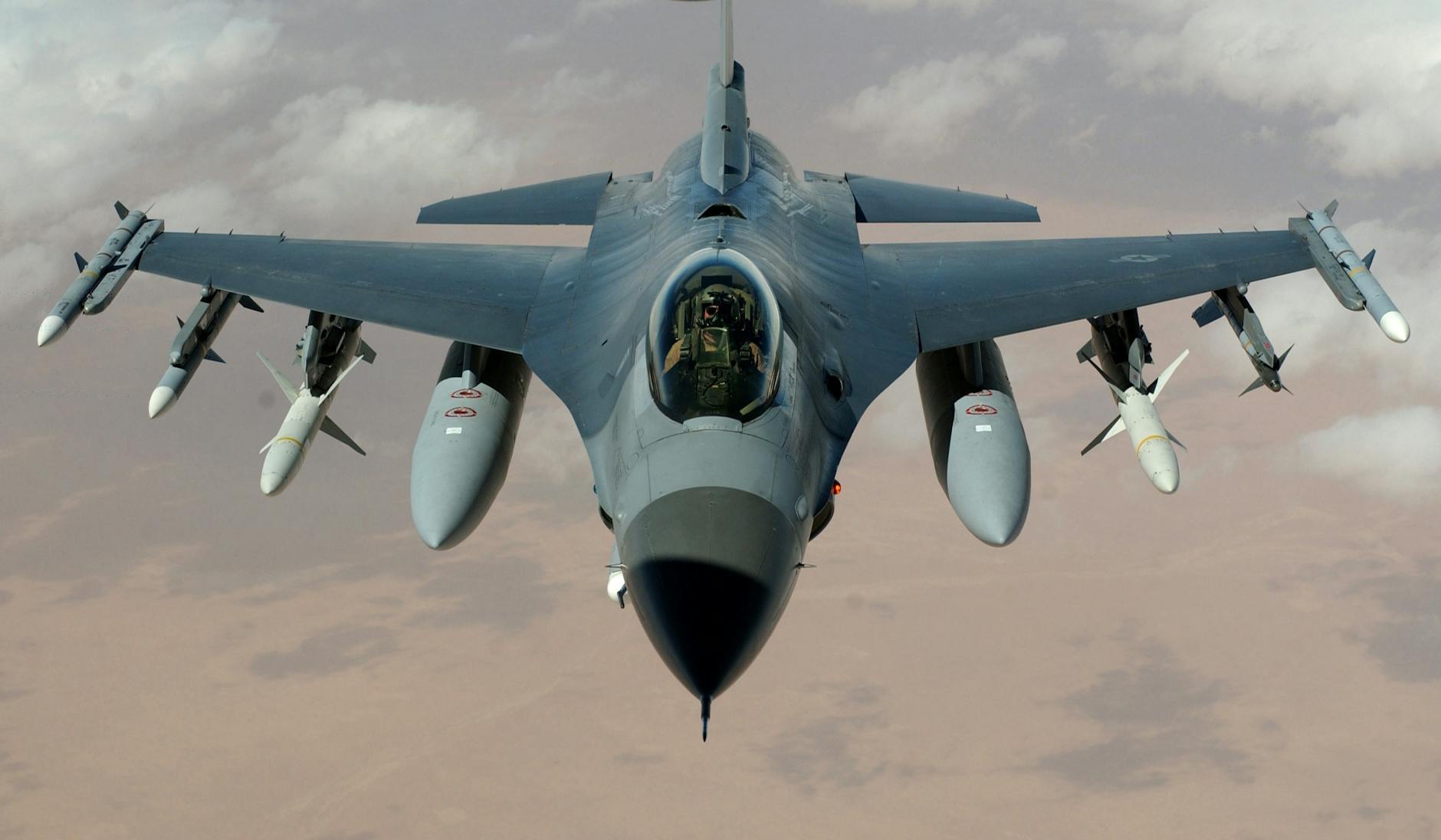
In a dramatic escalation of tensions in the Middle East, the United States has carried out targeted airstrikes on three major Iranian nuclear facilities. These strikes, which included the use of B-2 stealth bombers equipped with powerful bunker-busting munitions, were aimed at sites in Fordo, Natanz, and Isfahan — key locations in Iran’s nuclear infrastructure.
This marks the first time the United States has taken direct military action against Iran’s nuclear program, signaling a major shift from previous efforts focused on diplomacy and sanctions.
🔥 What Prompted the Strikes
U.S. officials stated the strikes were launched to cripple Iran’s ability to develop a nuclear weapon. Intelligence reportedly indicated that Iran had significantly accelerated enrichment and was nearing weapons-grade capability. The decision was also influenced by growing regional instability and rising threats toward U.S. allies in the region.
🗣️ Reactions from Around the World
In the U.S.
Reactions to the strikes have been sharply divided. Supporters praised the operation as a decisive move to prevent a nuclear-armed Iran. Critics, however, raised concerns about the legality of the action, accusing the administration of bypassing Congressional approval and potentially violating constitutional limits on the use of military force.
In Iran
Iran denounced the strikes as an act of war, acknowledging damage at the Fordo facility but denying any release of nuclear material. The government vowed retaliation and raised military readiness levels, fueling fears of a wider conflict.
In the Middle East
The response from other regional governments has been mixed. Some supported the U.S. move as a necessary step to contain Iranian aggression, while others warned it could ignite broader unrest. Israel raised its national alert status and implemented emergency security measures across the country.
⚠️ Potential Consequences
- Regional Escalation
The strikes dramatically increase the risk of a broader military conflict in the Middle East, involving not just Iran and the U.S., but also various allied and proxy forces. - Diplomatic Breakdown
With diplomatic efforts effectively sidelined, chances for a negotiated resolution to the Iranian nuclear issue have significantly diminished. - Legal Controversy in the U.S.
The decision to launch military strikes without a formal declaration of war or Congressional approval has reignited debate over presidential war powers and the limits of executive authority. - Global Economic and Security Risks
Global markets have responded with volatility, especially in oil prices, as investors weigh the possibility of disruptions in key energy trade routes.
🧭 Conclusion
The U.S. strikes on Iranian nuclear facilities represent a bold and consequential move with far-reaching implications. While intended to curb Iran’s nuclear ambitions and restore deterrence, the action also raises the specter of a larger war in the Middle East. It puts regional stability, international diplomacy, and constitutional balance under intense strain. As events continue to unfold, the world watches closely — and nervously — for what comes next.