Introduction
The longstanding tensions between Iran and Israel have erupted into a full-scale conflict as of June 2025, marking one of the most significant escalations in the region in recent history. With direct military strikes, intelligence operations, and increasing international concern, the current conflict reflects deep-rooted geopolitical rivalries and a critical point of instability in the Middle East.
Background
The Iran–Israel conflict has been simmering for decades, rooted in ideological opposition, regional power struggles, and mutual hostility. Iran’s nuclear program, its support for proxy groups across the region, and its opposition to Israel’s existence have all fueled ongoing tensions. Israel, in turn, has consistently viewed Iran as an existential threat. This long-standing animosity reached a tipping point following heightened hostilities in late 2024 and early 2025, eventually triggering the current wave of open conflict.
Key Events and Military Actions
- Israeli Airstrikes on Iran
In mid-June 2025, Israel launched a major military campaign targeting critical Iranian infrastructure, including nuclear research sites and Revolutionary Guard bases. Key cities such as Tehran, Natanz, and Isfahan were struck, resulting in the deaths of military officials and nuclear scientists. These attacks represented a dramatic escalation, shifting the conflict from covert operations to direct military confrontation. - Iranian Retaliation
Iran responded swiftly with missile and drone strikes against Israeli cities including Tel Aviv and Haifa. These retaliatory strikes targeted military bases, transportation infrastructure, and energy facilities, resulting in civilian casualties and extensive damage. Iran’s retaliation also included cyber operations aimed at disrupting Israeli communication networks and power grids. - Intelligence Operations and Covert Action
Intelligence warfare intensified as Israeli operatives executed sabotage operations within Iranian territory. These actions targeted missile development facilities and communication hubs, further degrading Iran’s military capabilities. Iran responded with its own cyber offensives, attempting to undermine Israeli defense systems and disrupt critical services.
Humanitarian Impact
The civilian cost of the conflict has been severe. In Tehran and other major cities, thousands of residents fled toward rural areas and neighboring provinces to escape the fighting. Emergency services have been stretched thin, with hospitals overwhelmed by casualties. Basic necessities such as water, fuel, and medical supplies have become increasingly scarce, creating a growing humanitarian crisis on both sides of the border. Over 100,000 civilians are reported to be displaced, and aid organizations have called for immediate humanitarian corridors to prevent further suffering.
International Reactions
- United States
The U.S. has significantly increased its military presence in the region, deploying refueling aircraft, naval forces, and missile defense systems to protect American personnel and allies. Washington has urged restraint but reaffirmed its support for Israel’s right to defend itself. - United Nations
The UN has called for an immediate ceasefire, warning of the potential for a regional war if the situation escalates further. Diplomatic efforts have been launched, but there has been limited progress as both parties remain entrenched in their positions. - European Union and Global Response
The EU expressed concern over the growing humanitarian crisis and regional instability. Many global powers are pushing for de-escalation while preparing for broader consequences such as refugee movements, economic instability, and potential proxy conflict spillover into neighboring countries.
Geopolitical Implications
The current conflict has significant ramifications for Middle Eastern stability and global diplomacy. There are growing fears that continued fighting could draw in other regional actors, including Hezbollah in Lebanon and militias in Iraq and Syria. With both countries engaging in offensive operations and no clear path to diplomacy, the potential for a wider regional war looms large. The situation also raises concerns over the future of nuclear non-proliferation and the viability of previous international agreements.
Recent Developments
- Leadership and Political Turmoil in Iran
Iran’s leadership is facing increasing pressure following the loss of several high-ranking officials in the conflict. Internal divisions have emerged, and the government is under scrutiny from both reformist factions and the general population. - Nuclear Negotiation Talks
Despite the fighting, there are reports that Iran is considering renewed talks with global powers regarding its nuclear program. However, trust is low, and both sides have placed strict conditions on any potential negotiation, making diplomacy difficult. - Economic Fallout
The conflict has already impacted regional markets. Israel has seen its credit rating downgraded due to instability, and concerns about global energy markets are rising, especially if tensions affect oil transit through the Strait of Hormuz.
Conclusion
The escalating conflict between Iran and Israel represents one of the gravest threats to regional peace in recent years. With direct military confrontations, a worsening humanitarian crisis, and growing international involvement, the situation remains dangerously volatile. The road to de-escalation will require urgent diplomatic intervention, strong international coordination, and a renewed commitment from both parties to avoid further devastation. Until then, the Middle East—and the world—will continue to watch with growing concern.
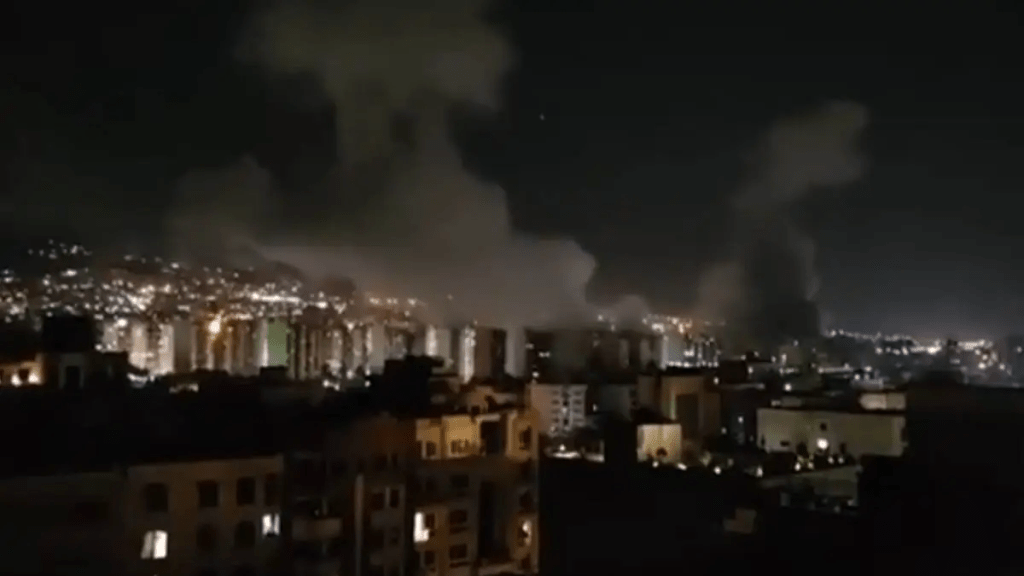
Photo: https://th.bing.com/th/id/OIF.PvPLnsOlXuOircxfFzU0bw?o=7rm=3&rs=1&pid=ImgDetMain
