Introduction
In early June 2025, escalating protests in Los Angeles over federal immigration raids led President Donald Trump to deploy 2,000 California National Guard troops to the city. The move, made without the approval of California Governor Gavin Newsom, has stirred significant controversy and sparked legal debates over the limits of federal authority versus state rights.
Background
The unrest began on June 6, 2025, when U.S. Immigration and Customs Enforcement (ICE) conducted a series of raids across Los Angeles, arresting dozens of individuals suspected of being undocumented immigrants. The raids specifically targeted neighborhoods with large Latino populations, prompting outrage among residents and civil rights groups.
Protests quickly erupted across the city. Demonstrators gathered in public squares and outside federal buildings, voicing opposition to the federal immigration crackdown. Tensions escalated further the following day, when confrontations between protesters and law enforcement turned violent. In several districts, clashes led to the use of tear gas, flash-bang grenades, and aggressive crowd control tactics. Fires were lit in the streets, projectiles were thrown, and numerous arrests were made.
Federal Response
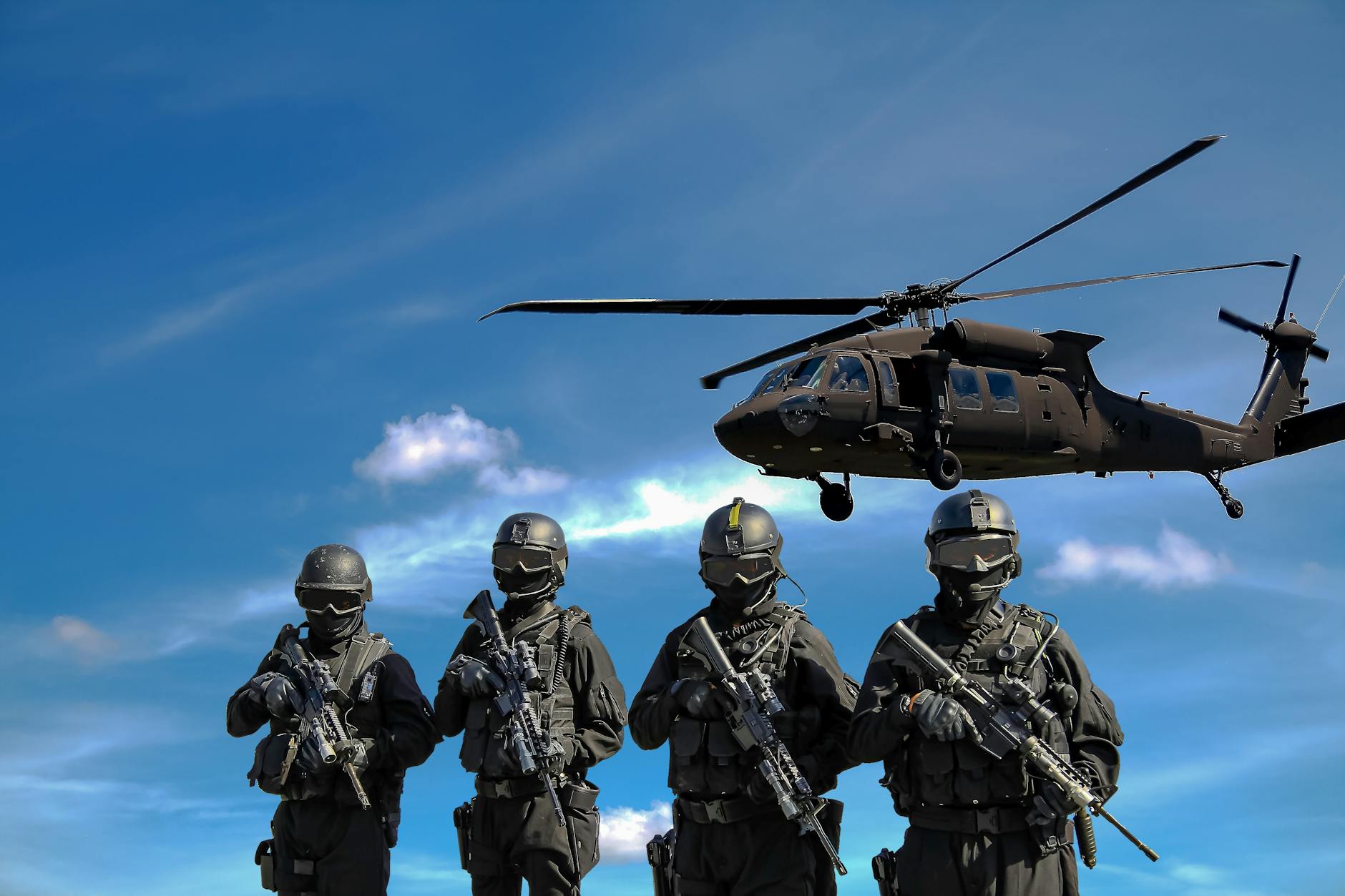
As the situation deteriorated, President Trump authorized the immediate deployment of 2,000 National Guard troops to Los Angeles. The order was issued under federal authority, bypassing state leadership. The justification was framed around the need to restore law and order and ensure the safety of federal agents, particularly ICE personnel who had come under threat during the protests.
The National Guard was tasked with supporting federal law enforcement, securing federal buildings, and maintaining public order. The deployment drew attention for the speed and scale of the mobilization, as well as the federal government’s decision to act unilaterally without input from state officials.
There were also reports that active-duty military forces had been placed on standby in nearby installations, although they were not immediately deployed. This added another layer of concern among legal observers and public officials.
State and Local Reaction
Governor Gavin Newsom criticized the move as unnecessary and inflammatory. He emphasized that California had not requested military support and argued that the state’s own law enforcement agencies were more than capable of managing the unrest. He also warned that the federal action would likely inflame tensions rather than calm them.
The Mayor of Los Angeles echoed the governor’s concerns, stating that the city was working to de-escalate the situation and that military involvement might worsen the public’s reaction. City officials were also concerned about a lack of coordination and communication from the federal government, which made it harder to manage protests effectively and safely.
Local police departments noted that they had not requested National Guard support and were unsure about the chain of command or the rules of engagement for the federally activated troops.
Legal and Constitutional Implications
The federal deployment of the California National Guard without state consent raised important legal and constitutional questions. While the president does have authority under certain federal statutes to mobilize state Guard units, traditionally such actions are coordinated with state governments or enacted under the Insurrection Act.
In this case, the president did not declare an insurrection, and there was no formal consultation with the governor before the troops were deployed. Legal analysts warned that this action could set a concerning precedent for future federal overreach, particularly in politically charged situations involving civil unrest.
Some constitutional scholars pointed out that unilateral federal control over state military forces, even temporarily, undermines the long-standing balance between state and federal authority. Others warned it could chill the right to protest and raise fears among immigrant communities, potentially violating civil liberties.
Conclusion
The deployment of the California National Guard to Los Angeles by President Trump has dramatically escalated political and legal tensions between federal and state governments. While the federal administration views the move as essential for maintaining order and supporting federal operations, state and local leaders see it as an overreach that could deepen public unrest.
As the protests continue and the legal landscape becomes more complex, the broader implications of this unprecedented action will likely influence debates over executive power, state sovereignty, and the militarization of domestic responses for years to come.