Introduction
New York City remains one of the world’s most iconic and influential urban centers, but beneath its towering skyline lies a city grappling with persistent and emerging challenges. From unaffordable housing to rising crime concerns, from strained public transit to the pressures of climate change, the problems facing New York in 2025 are shaping the political, social, and economic debates across all five boroughs.
Background
As the largest city in the United States, New York has always faced big problems—but in recent years, the scope and scale of those problems have intensified. The COVID-19 pandemic left a lasting impact on the city’s economy, workforce, and public health systems. Though the city has largely reopened, the aftershocks continue to influence how New Yorkers live, work, and commute.
The city’s diversity and energy remain strong, but the gaps between rich and poor, safe and unsafe, functional and broken, are increasingly visible. These challenges are not just abstract issues—they affect daily life and are top concerns for voters, policymakers, and communities alike.
Major Problems Facing New York City
- Housing Affordability and Homelessness
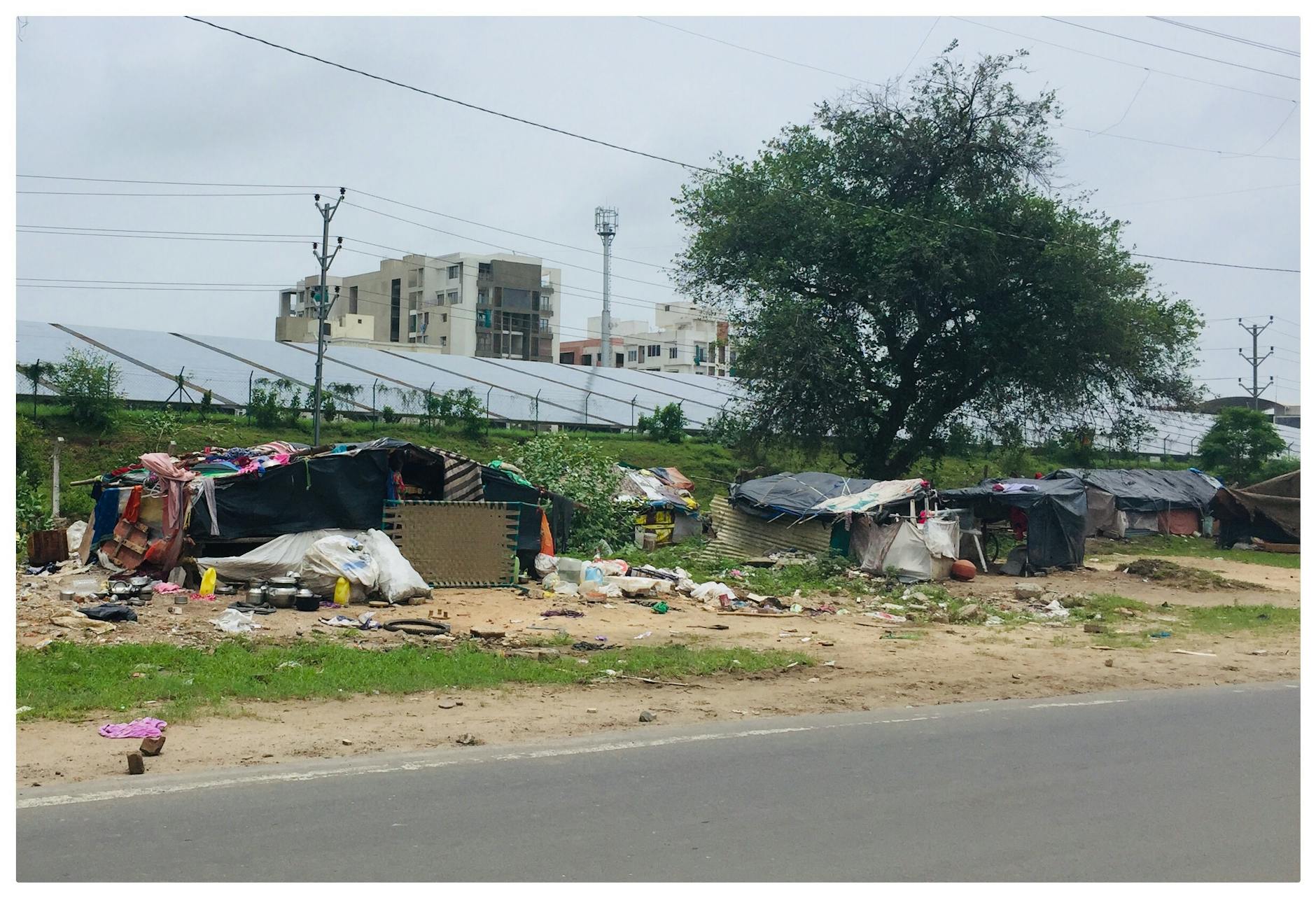
Rents continue to soar across the city, pushing more residents into housing insecurity or out of the city altogether. Affordable units are scarce, and development is often slowed by bureaucracy and community resistance. Homelessness remains a humanitarian crisis, with shelters overburdened and encampments still visible in some neighborhoods. - Crime and Public Safety
While overall crime has fluctuated, certain categories—particularly violent crime and retail theft—have sparked fear and debate. Some residents demand more aggressive policing, while others call for investment in mental health and community programs to address root causes. - Public Transit Struggles
The subway and bus systems are plagued by delays, aging infrastructure, and staffing shortages. Many commuters complain of unpredictability and overcrowding. At the same time, debates continue about how to fund improvements, especially as remote work alters commuting patterns. - Economic Inequality
The gap between wealthy New Yorkers and everyone else continues to widen. Low-wage workers, many of whom are essential to city life, face rising costs without comparable wage growth. Small businesses struggle to compete with large corporations and high rents. - Climate Change and Resilience
Coastal flooding, extreme heat, and storm threats pose growing risks to the city. Efforts to build climate-resilient infrastructure are underway but slow, and environmental justice advocates argue that marginalized communities remain the most vulnerable. - Education System Pressure
Public schools face funding gaps, teacher shortages, and performance disparities across neighborhoods. Parents and educators call for better resources, updated facilities, and fairer admission processes to elite schools.
Conclusion
New York City continues to inspire with its culture, ambition, and resilience—but it is also a city under pressure. The problems it faces in 2025 are deep-rooted and complex, requiring strong leadership, bold ideas, and inclusive solutions. As city officials and candidates debate the path forward, everyday New Yorkers are watching closely, hoping for a city that works better—for everyone.