Introduction
In recent developments, Ukraine has escalated its military operations, including a significant drone strike on a Russian military helicopter. This attack has prompted a strong response from Russia, highlighting the intensifying nature of the ongoing conflict. The incident underscores the high-stakes environment in which both nations are operating, with military actions increasingly targeting strategic assets and leadership figures.
Background: The Attack on Putin’s Helicopter
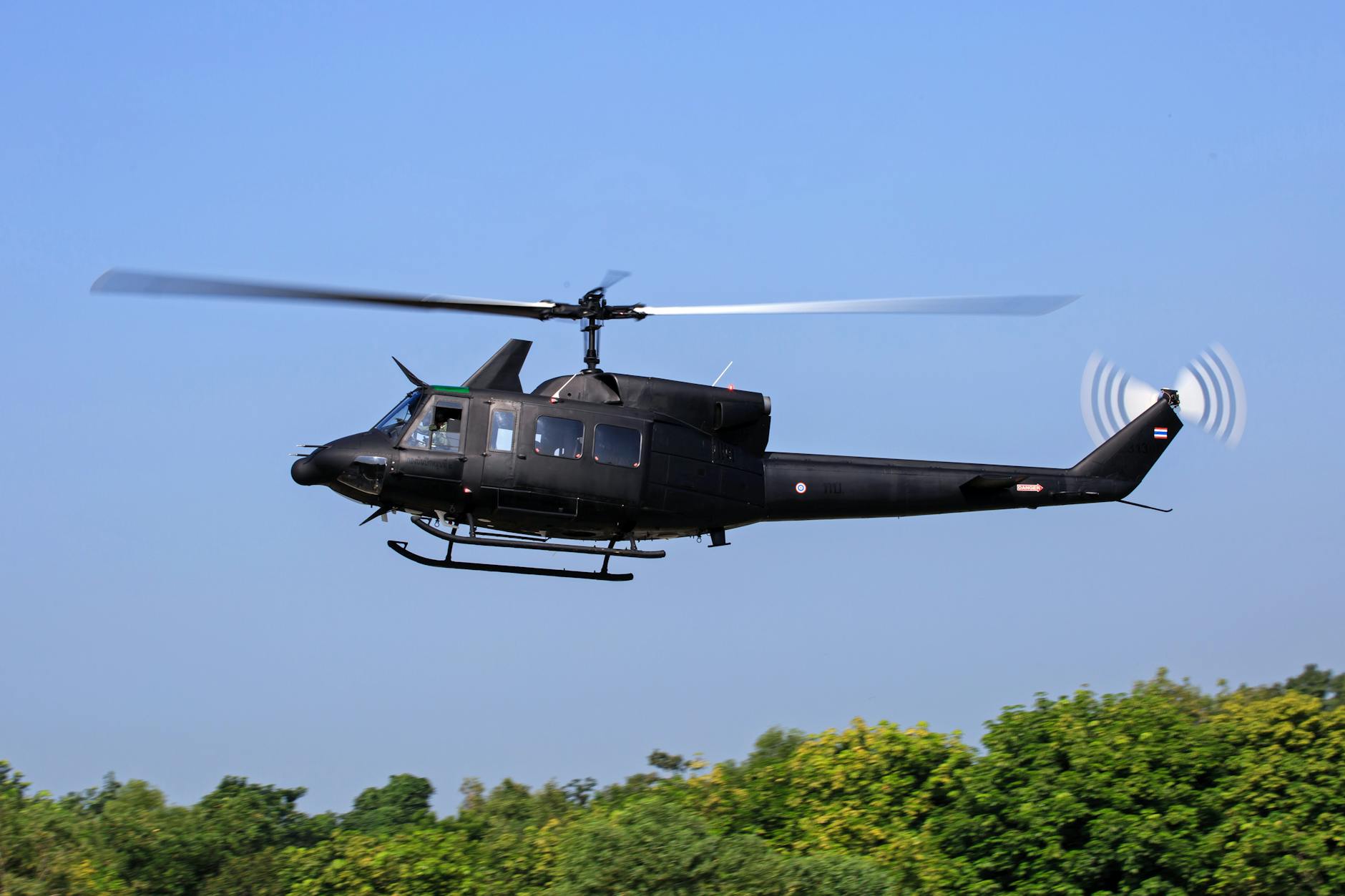
On May 25, 2025, Ukrainian forces reportedly launched a drone strike targeting a Russian military helicopter during President Vladimir Putin’s visit to Kursk. While the helicopter was not directly hit, the proximity of the attack raised significant concerns within the Russian leadership. The incident was perceived as a direct challenge to Putin’s security and authority, marking a notable escalation in Ukraine’s offensive capabilities.
In response to this and other recent attacks, Russian officials have indicated that such actions will not go unpunished. The Kremlin views these strikes as acts of aggression that undermine its sovereignty and threaten national security. As a result, Russia has vowed to take decisive measures to retaliate against Ukrainian military assets and infrastructure.
Russia’s Military Response
Following the attack on the helicopter, Russia has intensified its military operations in eastern Ukraine. The Russian Ministry of Defense announced a series of airstrikes targeting Ukrainian military bases and supply lines. These strikes aim to cripple Ukraine’s ability to conduct further offensive operations and to deter future attacks on Russian leadership.
In addition to direct military actions, Russia has increased its defensive measures, enhancing air defense systems around key installations and leadership venues. The Kremlin has also issued warnings to foreign nations supporting Ukraine, signaling that any involvement in Ukrainian military actions could result in broader geopolitical consequences.
Diplomatic Fallout and International Reactions
The attack on Putin’s helicopter has strained diplomatic relations between Russia and Ukraine, making peace negotiations more challenging. While Ukraine maintains that it is acting in self-defense and has denied targeting Putin personally, Russia perceives these actions as deliberate provocations.
Internationally, the incident has drawn mixed reactions. Some nations express concern over the escalation of hostilities, urging both sides to return to the negotiating table. Others view the attack as a legitimate military action by Ukraine, given the ongoing conflict and Russia’s military presence in Ukrainian territory.
The United Nations has called for an independent investigation into the incident to determine the facts and ensure accountability. However, the polarized nature of international politics has made consensus difficult, with geopolitical interests influencing the responses of various countries.
Impact on Russian Domestic Politics
Domestically, the attack has had a significant impact on Russian politics. President Putin’s approval ratings have seen a temporary boost, as the public rallies around the leadership in the face of perceived foreign aggression. Nationalist sentiments have surged, with calls for increased military spending and a more aggressive foreign policy.
However, there are also undercurrents of dissent. Some segments of the population express concern over the prolonged conflict and its economic repercussions. The strain on resources and the mounting casualties have led to protests and criticism of the government’s handling of the war.
Potential Escalation and Future Outlook
The attack on Putin’s helicopter marks a significant point in the conflict, with potential implications for its future trajectory. If Russia perceives further attacks on its leadership or strategic assets, there is a risk of broader military escalation. The possibility of direct confrontations between Russian and NATO forces, though currently unlikely, cannot be entirely ruled out, especially if third-party nations become more directly involved.
Conversely, the incident could serve as a catalyst for renewed diplomatic efforts. The international community may push for a ceasefire and negotiations, aiming to de-escalate tensions and prevent further loss of life. However, achieving a lasting peace agreement would require significant concessions from both sides, which currently appear unlikely given the entrenched positions.
Conclusion
The recent attack on a Russian military helicopter during President Putin’s visit to Kursk has significantly heightened tensions in the ongoing conflict between Russia and Ukraine. Russia’s swift and forceful response underscores its commitment to protecting its sovereignty and leadership. The incident has not only intensified military operations but also complicated diplomatic efforts aimed at resolving the conflict. As both nations brace for the potential consequences of this escalation, the international community watches closely, hoping for a path toward de-escalation and peace.