Introduction
NASA—the United States’ leading space agency—has seen its budget fluctuate over the decades based on national priorities, technological ambitions, and political support. In recent years, however, there has been a renewed push for increased funding, driven by ambitious goals such as returning humans to the Moon, exploring Mars, and expanding scientific research through space telescopes and climate monitoring.
Background
NASA’s budget is set annually by the U.S. federal government and is a small fraction of the overall federal budget (typically less than 0.5%). Despite its relatively modest size, NASA’s funding fuels critical research in space exploration, Earth science, planetary missions, and aerospace technology.
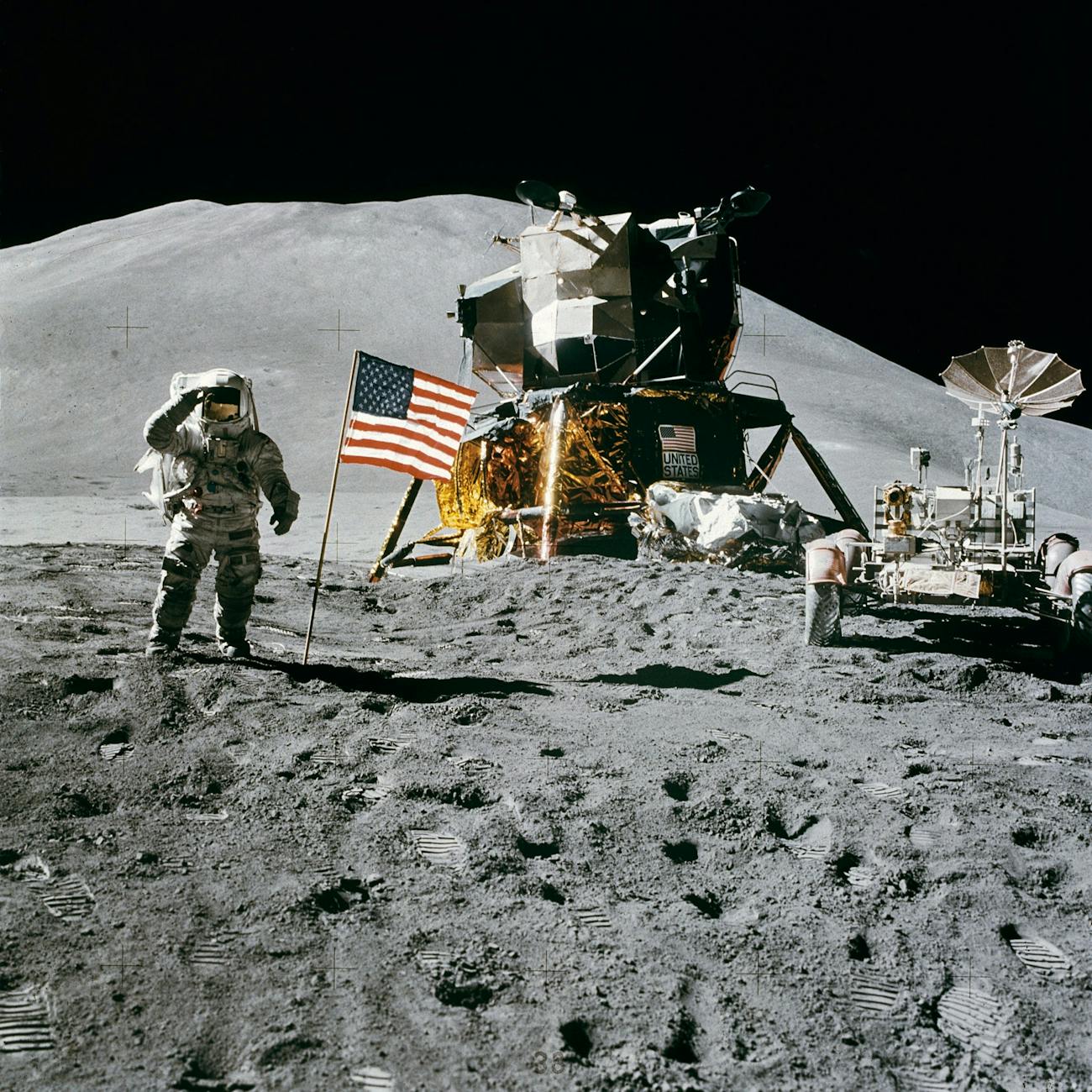
In the 1960s, during the Apollo program, NASA’s budget peaked at over 4% of federal spending. Since then, it has declined in proportional terms but has gradually increased in absolute dollars in the 21st century due to renewed interest in space leadership and private sector collaboration.
Recent Budget Increases
As of Fiscal Year 2024:
- NASA’s approved budget: Approximately $25.4 billion
- Increase from FY 2023: About 3%
- Requested for FY 2025 (proposed): ~$25.4 billion (flat compared to 2024, due to broader budget caps and constraints)
Key Areas of Investment:
- Artemis Program: Human return to the Moon by mid-2020s.
- Mars Sample Return: Unprecedented mission to bring Martian soil to Earth.
- James Webb Space Telescope Operations: Continued deep-space science.
- Climate Monitoring Satellites: Expanding Earth observation missions.
- Commercial Partnerships: Collaborations with SpaceX, Blue Origin, and others.
Implications of the Budget Increase
✅ Scientific Advancement
- Enhanced funding allows for deeper planetary exploration and astronomical discoveries.
✅ Economic & Technological Growth
- NASA investment stimulates innovation and job creation in aerospace, robotics, AI, and materials science.
✅ Global Space Leadership
- Increased funding reaffirms U.S. dominance in space amid growing competition from China, India, and private companies.
✅ National Inspiration
- High-profile missions like Artemis fuel public interest in STEM and science literacy.
Challenges Ahead
- Budget Caps: Broader federal budget constraints may limit future growth.
- Delays & Overruns: Cost overruns in programs like Artemis and Mars Sample Return raise efficiency concerns.
- Private Sector Role: Balancing public and private investment remains a strategic issue.
Conclusion
While not exponential, the increase in NASA’s budget reflects growing national and global interest in space exploration. With the Artemis program, Mars missions, and Earth science initiatives in full swing, NASA’s funding priorities are positioning the agency to remain a leader in science, technology, and discovery for decades to come.