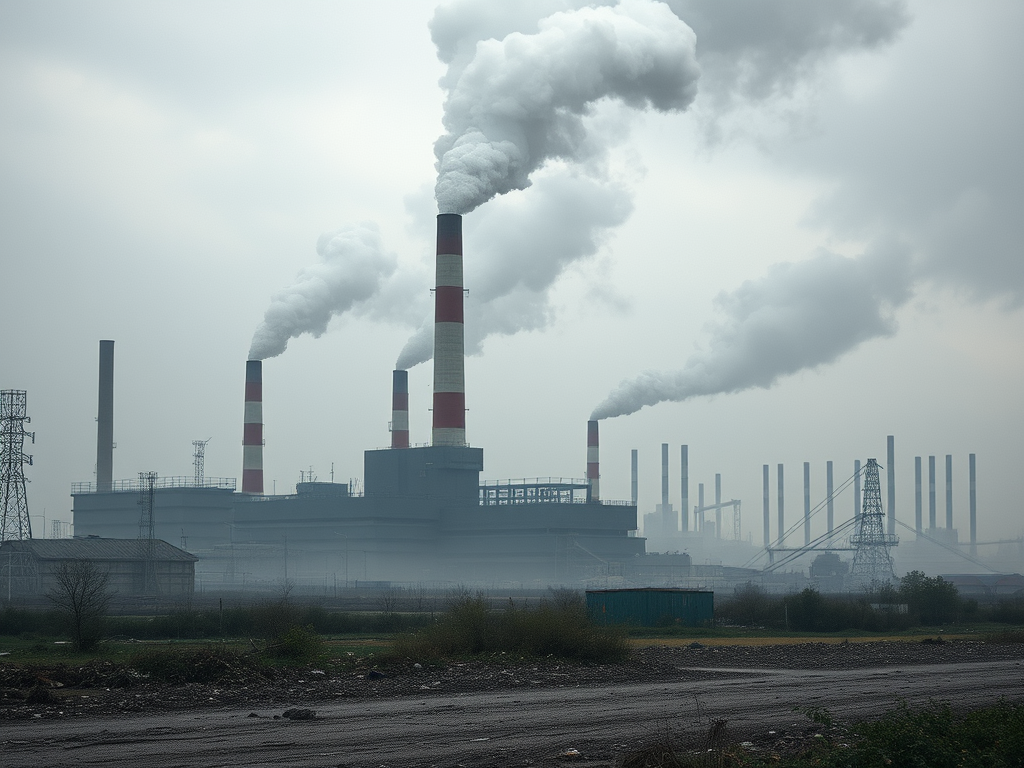
The 10 Cleanest and Dirtiest Countries in the World: A Global Look at Environmental Standards
Cleanliness isn’t just about aesthetics—it’s a reflection of a nation’s infrastructure, environmental policies, public health systems, and social awareness. From air quality to waste management, countries vary dramatically in how they handle environmental challenges. In this list, we explore ten of the cleanest and dirtiest countries in the world as of 2025, offering insight into the factors that contribute to their reputations.
🌍 10 Cleanest Countries in the World
1. Switzerland
Switzerland is renowned for its pristine lakes, clean streets, and efficient public transportation. With strict environmental regulations, the Swiss invest heavily in renewable energy, recycling programs, and the protection of natural landscapes.
2. Denmark
Denmark consistently ranks as one of the most environmentally conscious countries. It has ambitious goals for becoming carbon neutral and boasts a clean energy grid powered largely by wind turbines.
3. Sweden
Sweden’s sustainability efforts include low carbon emissions, extensive forest protection, and an advanced waste management system that turns trash into energy. The public transportation system is clean, punctual, and widely used.
4. Norway
Known for its breathtaking fjords and clean air, Norway relies heavily on hydroelectric power. The country is proactive in reducing pollution and incentivizes electric vehicle use across the nation.
5. Finland
Finland’s cities are among the cleanest in Europe, thanks to an emphasis on environmental education and efficient infrastructure. Forests cover much of the land, and air quality is among the best globally.
6. Iceland
Powered almost entirely by geothermal and hydroelectric energy, Iceland has little pollution and an abundance of natural beauty. Low population density and strict environmental laws preserve its cleanliness.
7. New Zealand
With its lush landscapes and low industrial pollution, New Zealand is committed to conservation. The government heavily regulates pollution, and the culture emphasizes respect for nature.
8. Canada
Canada’s vast wilderness and stringent environmental standards keep pollution low. Major cities focus on clean energy and public waste reduction programs, and air quality is generally excellent.
9. Austria
Austria takes pride in its clean public spaces and strong recycling systems. Environmental consciousness is embedded in education, public policy, and everyday life.
10. Japan
Despite its dense population, Japan remains remarkably clean due to strong cultural values around cleanliness, excellent public sanitation, and effective waste management systems.
🌍 10 Dirtiest Countries in the World
1. India
India struggles with widespread pollution, particularly in urban areas. Overcrowded cities, poor waste disposal systems, and reliance on coal contribute to air and water contamination.
2. Bangladesh
Bangladesh faces serious challenges with industrial waste, air pollution, and poor sanitation infrastructure. Rapid urbanization without adequate environmental controls exacerbates these problems.
3. Pakistan
With high levels of smog in major cities and poor water sanitation, Pakistan faces significant environmental issues. Litter, untreated sewage, and pollution are common in both urban and rural areas.
4. Nigeria
Nigeria has severe pollution problems caused by unregulated industrial waste, oil spills, and lack of modern waste management systems. Clean water access remains a major issue.
5. Indonesia
Indonesia faces deforestation, water pollution, and plastic waste crises. Illegal dumping and poor infrastructure in many areas contribute to dirty environments despite efforts to improve conditions.
6. Egypt
Cairo, one of the most polluted cities in the world, struggles with air quality and waste disposal. The country’s arid climate and dense population add to pollution visibility.
7. Mongolia
Mongolia, especially its capital Ulaanbaatar, suffers from extreme air pollution in winter due to coal-burning and outdated heating systems. Dust storms also worsen air quality.
8. China
Despite major improvements in recent years, many industrial regions in China still experience severe air and water pollution. High population density and manufacturing hubs intensify the environmental burden.
9. Iraq
Iraq deals with environmental degradation from war, oil extraction, and poor infrastructure. Dust, water contamination, and uncollected waste are common issues in many regions.
10. Haiti
Haiti struggles with waste collection, water pollution, and deforestation. Limited resources and political instability have made sustained environmental reform difficult.
🌿 Conclusion: The Global Divide in Cleanliness
Cleanliness across countries reflects more than just policy—it mirrors societal values, governmental priorities, economic resources, and even cultural habits. While some nations lead the world with futuristic waste systems and renewable energy, others continue to struggle with pollution due to poverty, conflict, or rapid urban growth. The contrast between the cleanest and dirtiest countries serves as both a warning and a blueprint: environmental progress is possible with commitment, investment, and a shared responsibility for the planet.
What do you think?
Let us know your opinion on this topic!